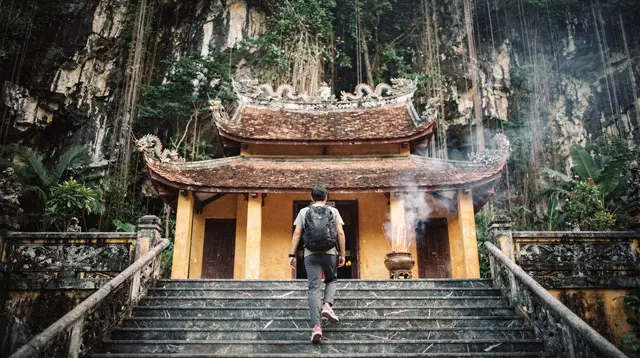
Hue Imperial City Tours: A Guided Visit Inside the Citadel
Is a guided tour worth it for Hue's Imperial City?
Yes, if you want to understand the Nguyen dynasty rather than just walk through gates and courtyards. Much of the palace complex was destroyed in war, so a guide explains what stood where and why. Allow half a day inside the citadel, and avoid the hottest hours and the September to December rains where you can.
Walk through the Ngo Mon gate at nine in the morning on your own and you will see a handsome, rather empty parade ground, some red-and-gold halls and a lot of grass. Walk through it with a good guide and the same space becomes a working court: where the mandarins lined up by rank, where the emperor sat above them, and which doors only he was allowed to use. This page is about that difference, and about how to book a guided visit of the Imperial City inside the citadel of Hue without wasting the best hours of the day.
Why Hue’s Imperial City matters
Hue stands on the Perfume River in central Vietnam, and for 143 years it was the seat of power. The Nguyen dynasty, Vietnam’s last, made it the imperial capital in the early 1800s and kept it that way until the final emperor abdicated in 1945. That is the key fact to hold on to: Hue was the imperial capital until 1945, but it is not the capital today. The capital is Hanoi, about 650 km to the north, and the largest city is Ho Chi Minh City. Hue is a quiet, green, rather melancholy provincial city, and the quiet is part of the appeal.
The Complex of Hue Monuments was inscribed as a UNESCO World Heritage Site in 1993, one of the first in the country. It covers the citadel and Imperial City, the royal tombs scattered along the river, and a few related monuments. This page deals only with the heart of it: the citadel walls, the Imperial City inside them and, within that, the former Forbidden Purple City. For a wider view of the inscribed sites across the country, see our guide to UNESCO sites in Vietnam.
How the citadel is laid out
It helps to picture three nested enclosures, because a guide will use these words constantly.
| Layer | What it is | What you see today |
|---|---|---|
| The Citadel (Kinh Thanh) | The outer fortified city, a vast square of moated walls in the French Vauban style | Thick brick ramparts, moats, gates, the Flag Tower and ordinary neighbourhoods living inside |
| The Imperial City (Hoang Thanh) | The walled palace-city holding the throne hall, temples and ceremonial courts | Gates, courtyards, halls, the Nine Dynastic Urns, restored buildings and lawns |
| The Forbidden Purple City (Tu Cam Thanh) | The emperor’s private residence, closed to almost everyone | Mostly foundations and partial reconstructions, with a few restored pavilions |
The outer citadel is large enough that thousands of people still live and work inside its walls. The Imperial City sits towards the middle, facing the river to the south. When people say “the Imperial City tour” they usually mean the ticketed area behind the Ngo Mon gate, plus, on better tours, a drive or walk around the ramparts and the Flag Tower beforehand.
What a guide adds that a ticket does not
A visit without a guide is perfectly possible, and many travellers do it. But the Imperial City is an unusual site, because a large part of it is absent. During the war of 1968 the citadel saw some of the fiercest fighting of the whole conflict, and much of the palace area was damaged or destroyed. Restoration has been under way for decades, building by building. Without someone to point out what was there, you can easily walk past an empty plot without realising it was a library, a theatre or a royal residence.
A knowledgeable guide gives you four things.
- The sense of the place. The layout follows geomancy and Confucian ideas of order: the position of the river, the screen hill across the water, the axis running south to north. Once you hear it explained, the plan stops looking arbitrary.
- The court. Who stood where in the Thai Hoa Palace, how mandarins were ranked, what a ceremony looked like, which courtyards were for audiences and which for rituals.
- The gates. The symbolism of the Ngo Mon (the Meridian Gate), its five passages, and the fact that the central one was reserved for the emperor. The upper pavilion, the Five Phoenix Tower, is where proclamations were made.
- The context. How the dynasty began, how French colonial influence shaped its last decades, and what happened at the end. A good guide can make nineteenth-century politics feel human.
If the history is what you came for, this is where a tour earns its price. If you prefer to wander and photograph, a short guided introduction followed by free time inside the walls often works best.
A walk through the main sights
The order below follows the usual route of a guided visit. Your guide may reverse it to avoid crowds.
The Flag Tower and the ramparts
Most tours begin outside the walls, by the Flag Tower on the south side. It is one of the tallest flagpoles in the country, and the base of it is a good place to see the scale of the citadel and the moat. Walking a short stretch of the ramparts shows how the Vauban-style bastions work and why the whole thing is so wide and low.
Ngo Mon Gate
The main entrance to the Imperial City is a grand gate with a stone base, five passages and an upper pavilion. The central passage was for the emperor alone. Mandarins used the side doors, and soldiers and horses had their own. It is the classic photograph of Hue, so it can be busy; late afternoon light is kind to it.
Thai Hoa Palace
Beyond the gate and across a bridge over a lotus pond lies the Palace of Supreme Harmony, the throne hall. Its roof is carried by dozens of lacquered red pillars decorated with gold dragons. Ceremonies such as coronations and New Year receptions took place here. Photography inside the hall is restricted in some seasons, and your guide will know the current rules. The courtyard in front is marked with stone steles showing where each rank of official stood, which is one of the best small details on the site.
The Forbidden Purple City
Behind the throne hall lies the area that used to be strictly closed. Most of the buildings here were lost, and what you see are foundations, partial reconstructions and a few restored pavilions. This is where a guide matters most. With the plan explained, you can picture the emperor’s residence, the queen mother’s palaces and the theatre. Without it, there is a lot of empty ground.
The Mieu temples and the Nine Dynastic Urns
In the south-west of the Imperial City stand the To Mieu temple complex, dedicated to Nguyen emperors, and, in front of it, the Nine Dynastic Urns. Cast in bronze in the 1830s, each urn is dedicated to one emperor and decorated with landscapes, flora, fauna and objects from across the kingdom. Spending a few minutes with them is rewarding, and a guide can explain the decoration and what it says about how the dynasty saw its realm.
Hien Lam Cac and the lesser halls
Hien Lam Cac is a tall pavilion that honoured the achievements of the dynasty’s rulers. Around it you will find galleries and smaller halls, some restored and some holding small exhibitions of court costumes, ceramics and furniture. These are good for escaping the sun for ten minutes.
Choosing between tour formats
Not all Imperial City tours are the same, and the right one depends on your pace and your other plans in central Vietnam.
| Format | Best for | Typical shape |
|---|---|---|
| Small private guided visit | History-minded travellers, families, those who want to set the pace | Two to four hours inside the citadel, flexible start time |
| Full-day city tour | First-time visitors wanting the main sights in one day | Citadel in the morning, then other monuments around Hue |
| Day trip from Hoi An or Da Nang | Travellers based on the coast | Long day with the drive over the Hai Van Pass or through the tunnel |
| Shore excursion from the cruise port | Cruise passengers with a fixed time ashore | Tightly timed, usually the highlights only |
Private tours
A private tour gives you the most flexibility. If you want to spend an hour in the Forbidden Purple City and skip the lesser halls, you can. Some operators let you build the route yourself, and this is also the best format if you have children, older relatives or limited mobility. The Hue private city tour with a personal itinerary approach works well, and you can book one such as a private city tour that you shape yourself.
Full-day group or small-group tours
A full-day tour makes sense for a traveller with a single day in Hue. These tours typically visit the citadel in the morning and move on to other sights in the afternoon, with a lunch stop. If you are choosing this format, a full-day Imperial City tour is the usual starting point. Read the itinerary carefully so you know how much of the day is spent inside the Imperial City itself.
From Hoi An or Da Nang
Many visitors stay on the coast and come to Hue for the day. This is feasible but long: you will spend a good part of the day on the road, and the scenic stretch over the Hai Van Pass adds time if the driver takes the old route. A day tour such as a full-day Imperial City trip from Hoi An is efficient, but if you can spend a night in Hue you will have a calmer visit and a chance to see the citadel lit up in the evening. Our comparison of Hue or Hoi An helps you decide where to base yourself, and the guide to Hue to Hoi An transfers covers the road options.
Cruise passengers
Ships calling at Chan May port offer a Hue excursion, and the schedule is tight. Choose a tour that is timed to get you back to the ship comfortably, such as a Hue excursion from Chan May port, and be realistic: you will see the main sights, not the whole citadel.
When to go: heat, rain and timing
Hue’s seasons matter more than usual for this site, because the Imperial City is largely open-air.
Heat. From roughly February to August the weather in central Vietnam is hot and mostly dry, and in the summer months the sun inside the citadel is punishing. There is little shade on the big courtyards. Book a tour that starts early, around 7:30 or 8:00 am, finish before the middle of the day, and carry water.
Rain. The rainy season in the centre runs roughly from September to December. Typhoons and floods are most likely in October and November, and the Perfume River can rise sharply. On a rainy day the citadel is still atmospheric, and the galleries and halls give some cover, but a typhoon warning can close the site or cancel tours. Our guides to Vietnam’s rainy season and typhoons and the best time to visit Vietnam go into the regional detail. Pick a tour with a flexible cancellation policy at that time of year.
Cooler months. Between the heat and the rain, the early part of the year can bring cooler, grey and drizzly weather in Hue, which is surprisingly pleasant for walking the grounds. There is no single perfect month, and travellers who are flexible can simply plan around the forecast.
Tet. The lunar new year falls between late January and mid-February, with a different date each year. Some sites and many businesses close for several days, and hotels fill up. Check opening arrangements before you book anything in that window.
Time of day. Early morning has the best light and the fewest people. Late afternoon is also good, and the stone and lacquer glow. The middle of the day is the hardest, both for heat and for coach-party crowds.
Practical details
- Tickets. Entry is by ticket at the gate, and prices have risen in recent years. At the time of writing in 2026, expect a fee in the low hundreds of thousands of dong for foreign adults, with reductions for children, but check the current rate. Your tour may include the ticket or leave it to you; read the description.
- Hours. The site generally opens in the morning and closes in the late afternoon, with hours shifting a little between seasons. Confirm on the day.
- Dress. Cover shoulders and knees for the temples, and wear comfortable shoes with grip, since stones can be slippery after rain.
- Cash. Keep some dong for drinks, small purchases and tips. Larger payments usually take cards.
- Water. Tap water is not drinkable in Vietnam. Bottled water is sold at stalls inside the site, and prices are higher than in town.
- Getting there. The citadel is a short taxi or ride-hailing trip from the main hotel area on the south bank, and a pleasant bicycle ride in the cooler hours. Cyclo drivers offer tours of the citadel; agree the price and route in advance.
- Pace. The site is wide. Even a compact visit involves a few kilometres of walking, so the tour you choose should match your energy.
Combining the Imperial City with the rest of Hue
The Imperial City is the anchor of a visit, but it is not the only thing to do in Hue. Because the royal tombs and the Thien Mu Pagoda each deserve their own page, we keep them separate; you will find them in our general Hue destination guide and in the broader Hue city tours page. A boat ride on the river, covered in Perfume River boat trips, pairs naturally with an afternoon after the citadel.
Food is worth planning around. The imperial court left Hue with a cooking tradition of small, refined dishes, and the city is still known for it. Try our Hue street food tours for the evening, or a Hue cooking class if you want to learn how the dishes are made. For hands-on crafts such as conical hats and incense, see Hue craft workshops.
If you have a second day, the former demilitarised zone to the north is the obvious complement, with a very different history, covered in DMZ tours from Hue. Heading south, the scenic road over the pass is described in Hai Van Pass tours, and travellers building a longer trip will find Hue in our central Vietnam in five days itinerary. For other heritage sites across the region, browse temples and heritage activities.
How much time to allow
A short answer, with the main variables:
- Two to three hours inside the Imperial City is enough for a guided visit of the main areas at a relaxed pace.
- Half a day is the sweet spot if you want to add the ramparts, the Flag Tower and a long lunch.
- A full day only makes sense if the tour includes other sights; otherwise you will be waiting around.
- Two nights in Hue is a comfortable stay for most travellers, giving time for the citadel, a river trip and good food without a rush.
Choosing a guide: what to look for
Two guides can lead the same route and give two very different visits. Before you book, look for these signs of a good tour.
- Small groups. In a group of more than ten, you will spend much of your time waiting and straining to hear. Small groups or private tours make a clear difference.
- A guide, not just a driver. Check that an English-speaking guide stays with you inside the citadel, rather than only dropping you at the gate.
- A clear itinerary. The description should say how long you spend inside the Imperial City and what else is on the programme.
- Reasonable timing. Early starts beat midday visits in the hot months.
- Honest cancellation terms. Weather can disrupt plans in autumn, so flexible booking is a real advantage.
If you want to combine the citadel with the royal tombs and the pagoda in a single private day, the option listed as a private tour of the Imperial City, tombs and Thien Mu Pagoda is built for that, although the citadel will then share the day with other stops.
Frequently asked questions about visiting Hue’s Imperial City
How long does a guided visit of the Imperial City take?
Plan on two to three hours inside the walls for a guided visit, or half a day if you add a lunch of Hue specialities. A full-day tour usually combines the citadel with other sights, so the Imperial City itself gets only part of the day.
Is Hue the capital of Vietnam?
No. Hanoi is the capital of Vietnam. Hue was the imperial capital under the Nguyen dynasty until 1945, which is why its citadel and palaces are so important, but it is a provincial city today.
When is the best time to visit the Imperial City?
The citadel is open-air and shadeless in places, so early morning or late afternoon is the most comfortable. By season, the dry and hot months run roughly February to August, while rain, typhoons and floods are most likely from about September to December.
Can I visit the Imperial City on my own?
Yes, entry is by ticket at the gate and the site is easy to walk. Going alone works well if you read up beforehand, but you will see far more of its meaning with a guide, particularly in the areas where little is left standing.
Do the tours include the royal tombs and Thien Mu Pagoda?
Some full-day tours bundle the citadel with the royal tombs and the Thien Mu Pagoda, while others cover the Imperial City alone. Check the itinerary before booking so you know whether the citadel gets a full visit or a short stop.
What should I wear and bring?
Light, breathable clothing that covers shoulders and knees for the temples inside the walls, a hat, sunscreen, comfortable shoes and water. In the rainy months add a light rain jacket or a compact umbrella.
Is the Imperial City suitable for children and older visitors?
Yes, the paths are mostly flat, though the site is large and exposed to the sun. Go early, take shaded rests under the galleries, and consider a shorter private tour with an unhurried pace.
Temples, Museums and Heritage Sites
Verified deep-linked GetYourGuide tours. Book through these links and we earn a small commission at no cost to you.
GetYourGuide does not provide a product photo for this activity — the image shows the meeting point, photographed by us.