Hai Van Pass by Motorbike: Is It Really Doable, and on What Terms?
Can you ride the Hai Van Pass by motorbike?
Yes, and it is one of the most beautiful roads between Hue and Da Nang. But it assumes a licence that is valid for motorbikes, an insurer that will actually pay out, and a calm pace on a clear day. If any of those is missing, ride pillion with a local driver or go by car.
The honest answer before the postcard
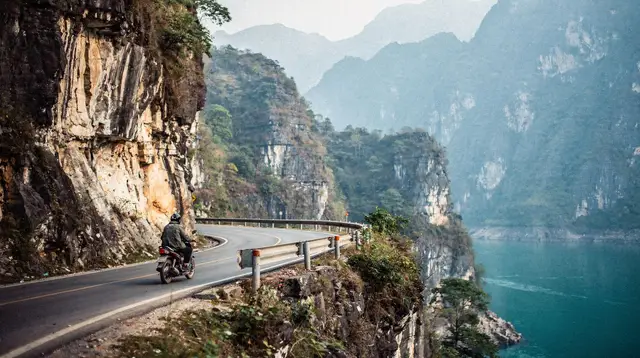
People ask me whether the Hai Van Pass is “doable” by motorbike, and the answer I give is yes, with conditions. It is one of the great roads of the country, a ribbon of tarmac cut into a mountain spur that drops into the sea between Hue and Da Nang. I love it. But I have also watched visitors treat it like a theme-park ride, and that is where the trouble starts.
This is not a hype piece. It is the conversation I would have with a friend before they rent a bike.
Why it deserves the reputation
The pass climbs through green hillside, then opens onto views over the coast and the bay below, with the sea on one side and forested slopes on the other. On a clear day, the light over the water is the reason to come. The road rewards slow riding: you stop, you drink a coffee at a roadside stall, you look back toward the lagoon and the beaches.
It is a short stretch of road. Do not think of it as a day’s effort in itself; think of it as the best part of a longer day between two cities. If you want the wider story of the route, the dedicated Hai Van Pass tours guide walks through the stops, and Hue and Da Nang are the two ends of it.
The idea that it is a carefree ride
Here is the correction I owe you. The pass is not a risk-free scenic cruise.
- Traffic is mixed. Trucks, buses, cars and motorbikes share the same bends, and some drivers are in a hurry.
- Weather turns quickly. Mist on the summit can erase visibility in minutes, and wet tarmac on a bend is not forgiving.
- Fatigue is real. Sun, heat and concentration on the curves wear you down faster than you expect.
- Vietnamese road habits differ. Overtaking, horns and sudden stops are normal. You adapt to them; you do not fight them.
None of this means “stay away”. It means the pass is a place to ride calmly, not a place to prove anything. If you are new to riding in the country, read is Vietnam safe and how to cross the street in Vietnam first; the same patience applies.
The three conditions I would insist on
1. A licence that is valid for motorbikes
This is the one I repeat the most. Many insurers refuse to pay when you ride without the right licence, and a minor fall can then turn into a very expensive problem. I am not going to quote a rule for your nationality, because rules change. Check with your own insurer and your government’s travel advice before you book anything. Our guide to renting a motorbike in Vietnam covers the practical side.
2. Insurance that actually covers you
Having a policy is not the same as being covered for riding. Read the wording for motorbike use, engine size and licence conditions. If in doubt, ask your insurer by email and keep the reply. More in travel insurance for Vietnam.
3. A rhythm without excess
Start early, wear a proper helmet, keep your speed modest and stop whenever you want. I would rather arrive two hours later with photos than on time with a story. Pick a day that is clear: if the forecast is poor, move the ride rather than force it. I give no exact weather promise here because it varies from day to day; check the local forecast the evening before.
When not to ride yourself
There is no shame in not being at the handlebars. Plenty of travellers, including experienced ones, prefer to sit behind a local driver and let someone who knows the road do the work. You see more, you rest your eyes and you can step off at every viewpoint.
Options I would consider, from most to least involved:
| Mode | Who it suits | Main trade-off |
|---|---|---|
| Rent and ride yourself | Confident, licensed riders with cover | Full responsibility for risk and insurance |
| Ride pillion with a local driver | Most visitors | Less independence, more safety margin |
| Car with a driver | Families, luggage, bad weather | Fewer open-air moments |
| Train along the coast | Scenery lovers who like to relax | Fixed timetable, no stops on the pass itself |
If you like the idea of a driver, a private day trip such as a private Hue day trip over the Hai Van Pass keeps you off the controls and still gives you the road. If photography is the point, a photo-focused journey over the pass to Hue is built around the viewpoints.
Hue, Da Nang and Hoi An: the longer picture
The pass is one link in a chain. Many travellers go from Hue to Da Nang over the pass and then continue to Hoi An, which is about 45 minutes from Da Nang. For a full plan, see central Vietnam in five days, and for luggage and logistics, Hue to Hoi An transfers are the practical answer.
If you are starting from the imperial city, spend a day first with Hue by motorbike with a local lunch or on foot; the DMZ is a longer day and is covered in the DMZ tours from Hue guide.
The railway as the quiet alternative
Between Hue and Da Nang, the Reunification Express follows the coast and passes under the same mountains. Locals and visitors alike call this section the scenic one. It does not replace the road over the pass, but it is a very good way to see the same landscape from a seat, with no wheel in your hands. See train travel in Vietnam for how to book, and getting around Vietnam for the full picture.
Season, weather and the day you choose
In central Vietnam, the weather is hot and mostly dry from roughly February to August. From about September to December comes the rainy season, with typhoons and floods most likely in October and November. That is the period when I would not plan a bike ride over the pass at all unless the forecast is clearly good. Read typhoon season in central Vietnam and Vietnam rainy season and typhoons before you set a date.
What I would do
If I were arriving next week with a valid motorbike licence, solid cover and a clear forecast, I would ride it, early, slowly, and stop often. If any one of those three was missing, I would go pillion or by car and enjoy it just as much. Then I would eat well in Da Nang that evening; a scooter food tour of local Da Nang dishes is a friendly way to end the day, with someone else driving.
Questions about riding the Hai Van Pass
Is the Hai Van Pass dangerous on a motorbike?
It is not extreme, but it is not a gentle stroll either. There are bends, trucks, buses and sudden fog or rain. Riders who keep a steady pace, stay on their side and avoid bad weather generally manage well; riders who rush or overtake on bends are the ones who get hurt.
Do I need a motorbike licence to ride it?
Yes. Riding without the right licence is the single biggest trap, because many insurers refuse to pay claims in that case. Check the rules with your insurer and your own government’s travel advice before you rent.
Can I ride the pass as a passenger instead?
Yes, and many visitors do. A local driver or easy rider takes the controls while you look at the view, and the day can be arranged as a private trip between Hue and Da Nang with stops.
How long does the ride take?
Plan a leisurely half day for the pass itself, with photo stops and a coffee. A full day is more realistic if you start in Hue or Hoi An and add lunch and a few stops along the coast.
When is the best time to ride the Hai Van Pass?
Choose a clear day. The centre is hot and mostly dry from roughly February to August; September to December is the rainy season, with typhoons and floods most likely in October and November. Cloud on the summit can hide the view entirely.
Is there an alternative to the road?
Yes. The Reunification Express railway runs along the coast between Hue and Da Nang, and that section is the scenic one. A car with a driver is the other easy choice.
Can I do it one way and stay in Hoi An?
Yes. The pass fits naturally into a Hue, Da Nang and Hoi An journey, with luggage sent ahead by car or by a transfer service.
Motorbike Loops and Countryside Excursions
Verified deep-linked GetYourGuide tours. Book through these links and we earn a small commission at no cost to you.
GetYourGuide does not provide a product photo for this activity — the image shows the meeting point, photographed by us.